
Supply chain
The iPhone Duo is built with Samsung parts. Here is what that means for the secondary market.
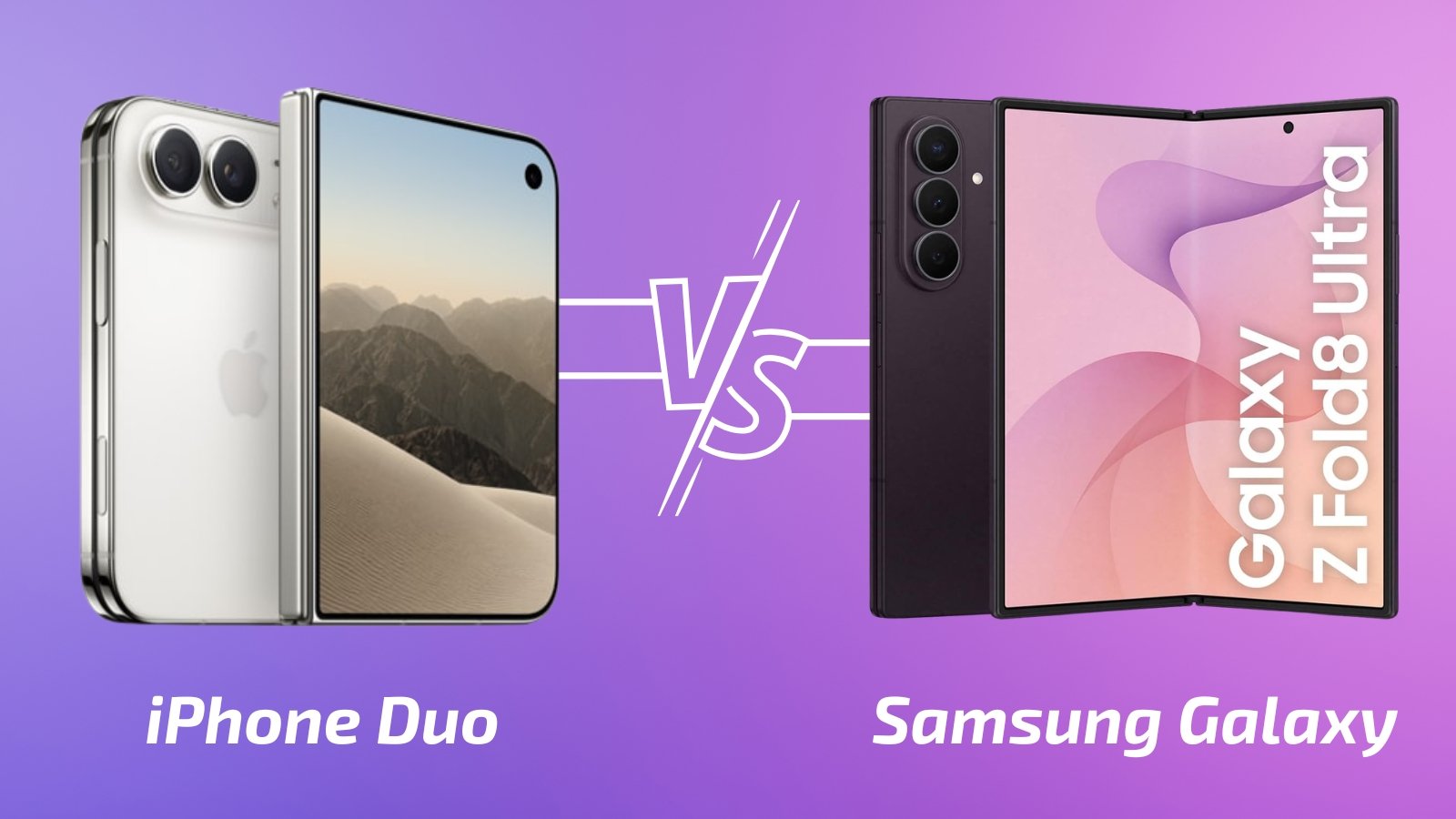
Apple and Samsung are the two most competitive companies in the smartphone industry. They have been fighting for the same premium buyers for over a decade. And yet, when Apple finally launched its first foldable smartphone, the iPhone Duo, a significant portion of its most critical components came from Samsung.
The displays. The memory. It is one of the most striking supply chain stories in consumer electronics history, and for anyone operating in the secondary mobile market it carries implications worth understanding.
What Samsung is supplying inside the iPhone Duo
The iPhone Duo features a 7.6-inch internal Super Retina XDR display and a 5.4-inch outer display. Both are manufactured by Samsung Display, which has spent years developing and refining folding display technology through its own Galaxy Z Fold series.
Multiple published reports, including Reuters, Korea Herald and Seoul Economic Daily, identify Samsung Display as the sole supplier of foldable OLED panels for the iPhone Duo, under a reported three year exclusive supply agreement at approximately $250 per panel. That is more than three times the cost of a standard iPhone screen.
Without Samsung Display's foldable panel, one Korean display industry official told Korea Herald, the iPhone Duo's form factor simply cannot exist.
Beyond the displays, Samsung has become Apple's dominant DRAM supplier. With SK Hynix increasingly prioritising high bandwidth memory for AI datacentres and reducing its LPDDR output, Samsung is estimated to account for 60 to 70% of Apple's DRAM supply across the iPhone 17 and iPhone 18 series, according to Korea Economic Daily. Samsung's manufacturing capacity and its continued focus on LPDDR made it, in the words of one industry source, the only real choice to meet Apple's supply conditions at scale.
| Component | Supplier | Status |
|---|---|---|
| Foldable OLED panels | Samsung Display | Sole supplier, reported three year exclusivity |
| DRAM | Samsung | Estimated 60 to 70% of Apple's supply |
| Cameras and materials | LG Innotek, Sony and others | Confirmed across the wider stack |
| Substrates and circuit boards | Samsung Electro-Mechanics expected | Pending teardown confirmation |
| NAND flash | Not yet attributed | Pending teardown confirmation |
Samsung does not make everything inside the phone. But its footprint across the most critical and hardest to replace components is significant.
Why this matters beyond the irony
The Samsung component relationship is not new in principle. Apple has sourced Samsung displays and memory for its standard iPhone lineup for years. What is new is the nature and exclusivity of the dependency in a first generation product, where Apple has no alternative supplier base built up over multiple iterations.
The scale of the dependency
Samsung Display holds what multiple industry sources describe as a three year monopoly on foldable displays for the iPhone Duo. LG Display and BOE reportedly could not meet Apple's quality, yield and volume requirements. Citi estimates Apple could sell around 7.3 million iPhone Duo units in the first year, channelling close to $1.8 billion to Samsung Display from panel purchases alone.
This supply dependency has two practical implications for the secondary market.
-
01
Supply constraints are real, and they favour residual values
Counterpoint Research has noted that sales volumes will almost certainly be limited by supply rather than demand. Initial availability covers 28 markets, and wait times for early adopters are expected to be substantial. When those early adopters begin trading in first generation Duo devices, secondary market availability will be limited for an extended period. Limited supply against established demand supports stronger residual values.
-
02
Memory costs push buyers toward refurbished alternatives
Apple is reportedly paying around $70 for a 12GB LPDDR5X module, up from roughly $30 at the start of 2025. With Samsung dominant and SK Hynix prioritising HBM, Apple has limited negotiating leverage on memory pricing for this device. Those costs flow into the bill of materials and ultimately into a retail price that makes refurbished alternatives more attractive to a broader pool of buyers.
The broader secondary market picture
The iPhone Duo enters a foldable market where global shipments reached roughly 20 million units in 2025, less than 2% of total smartphone shipments. Counterpoint projects that Apple alone could ship more than 12 million foldables in 2027, around 5% of its total iPhone shipments.
That projected volume would reshape the current foldable market significantly within a single year of Apple's full production ramp. The consumer awareness effect of Apple entering a category, combined with carrier promotions and an opening price of $1,999, is expected to expand the foldable buyer pool materially.
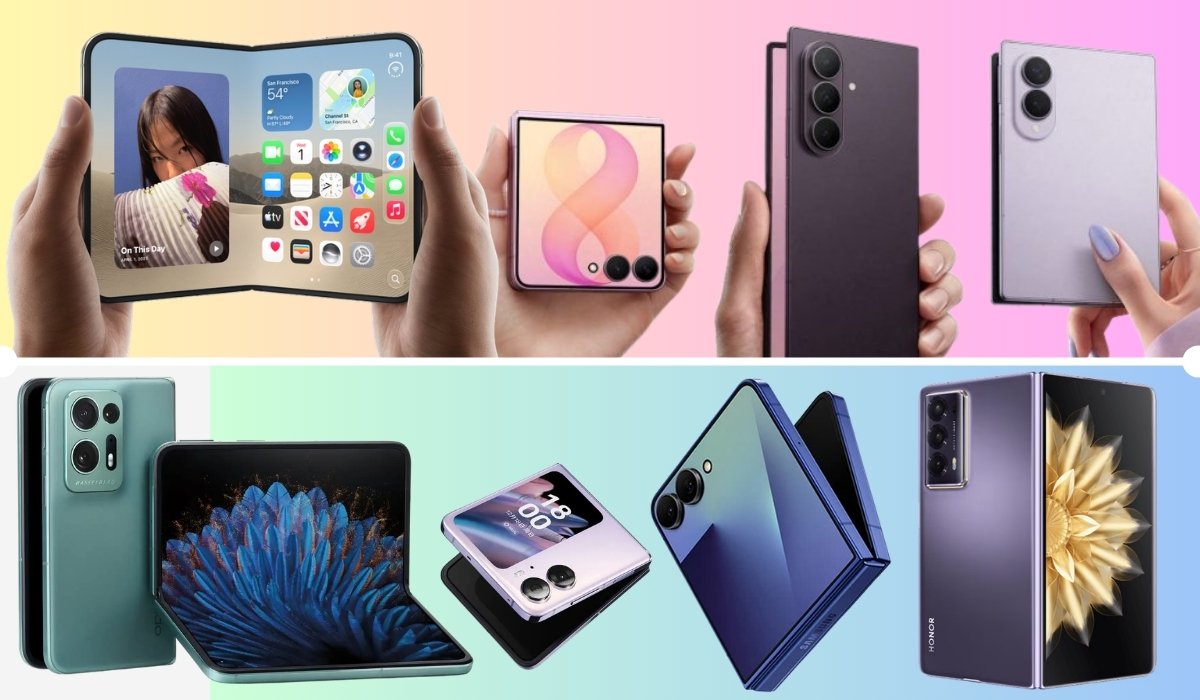
For the secondary market, that expanding pool matters in two directions. Samsung foldable demand in the secondary market will likely increase as Apple's entry validates the category for buyers who want to experience the form factor before committing to Apple's price point. And first generation iPhone Duo devices entering the secondary market in 12 to 24 months will be among the most sought after refurbished devices of their cycle: constrained in supply, strong in brand recognition, and backed by the residual value trajectory iPhones have consistently delivered.
In the secondary market, the brand on the front is what the buyer pays for. And in this case, that brand is Apple.
The fact that Samsung built the most critical components inside that device remains a remarkable footnote in the supply chain story.
Key takeaways
- Samsung Display is the sole supplier of the iPhone Duo's foldable panels, reportedly under three year exclusivity at around $250 per panel.
- Samsung also supplies an estimated 60 to 70% of Apple's DRAM across the iPhone 17 and 18 series.
- Supply, not demand, is expected to cap Duo volumes, which supports stronger residual values when first generation units reach the secondary market.
- Memory module costs have reportedly more than doubled since early 2025, pushing retail prices up and widening the audience for refurbished alternatives.
- Apple's entry is likely to lift secondary market demand for Samsung foldables too, as buyers try the form factor at a lower price point first.
Sourcing premium refurbished stock?
HK Refurbished Stock supplies A+++ renewed iPhones and Samsung Galaxy phones to wholesalers across Europe, the United States and Latin America, shipping from Hong Kong, the EU and Miami. Every device is factory unlocked, IMEI verified, and passes a 17-point inspection, with a 90 day warranty extendable to 180 days.