
Market analysis
Every time Apple launches a new iPhone, the secondary market panics. Here is why it should not.
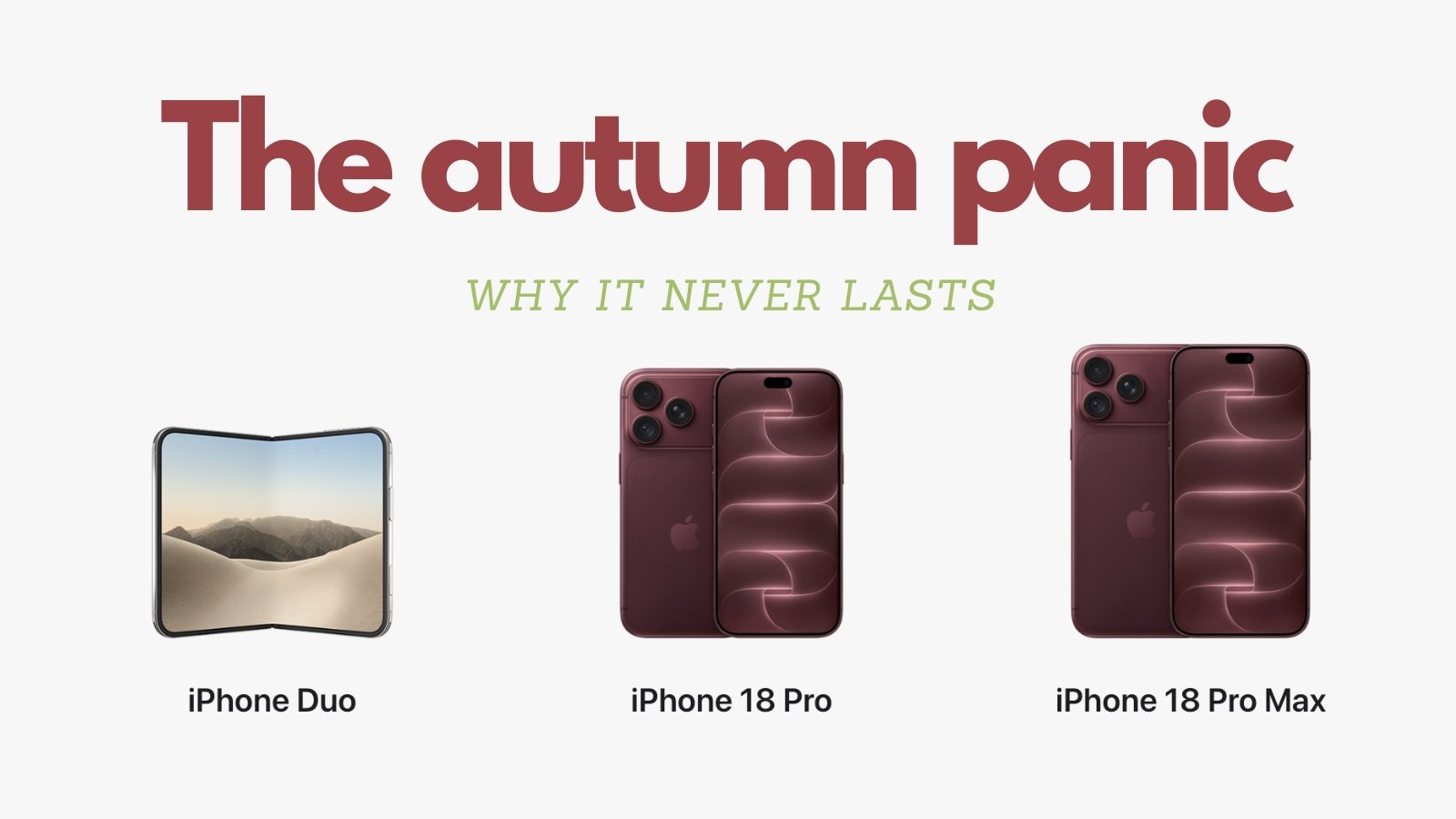
It happens every autumn without fail. Apple announces a new iPhone. Forums fill with warnings. Resellers start discounting. Buyers hold off. The secondary market braces for a crash that, based on more than a decade of data, never quite arrives the way people expect.
With the iPhone 18 Pro, iPhone 18 Pro Max and iPhone Duo now confirmed for October 2026, and the base iPhone 18 delayed until early 2027, the cycle is beginning again. So let us look at what actually happens to secondary market values when a new iPhone launches, and what the data tells us about the months ahead.
The pattern is consistent, and has been for over a decade
When a new iPhone generation launches, the previous generation does not collapse in value. It depreciates in a predictable, documented curve that experienced secondary market operators have been navigating successfully for years.
The depreciation typically follows three phases.
-
01
Launch window
In the weeks immediately before and after launch, trade-in volumes spike as upgrade-motivated buyers hand in their devices. This influx temporarily softens prices as supply increases.
-
02
Two to three months on
Pricing stabilises as the market absorbs the new supply, and demand from buyers who want a premium iPhone without the new device price tag fills the gap.
-
03
Six months and beyond
The previous generation settles into a stable residual value position that holds for an extended period.
This is not theory. Dipli's Market Data Lab has tracked consecutive iPhone generations at the M+24 milestone, the two year mark that is the most important lifecycle checkpoint in the secondary market.
| Generation | Retained value | Against industry average |
|---|---|---|
| iPhone 14 | 43% | Above |
| iPhone 15 | 45.5% | Above |
| iPhone 16 | Tracking toward 47% | Above |
| Premium smartphone average | Under 35% | Baseline |
Each generation holds more value than the last, and every one of them has held far more value than the sub-35% industry average for premium smartphones.
The iPhone 18 cycle has specific characteristics worth understanding
The 2026 launch cycle is unusual in one important way: Apple has staggered its releases deliberately. The Pro models and the iPhone Duo launch in autumn 2026. The base iPhone 18 does not arrive until early 2027.
This staggered schedule has a direct secondary market implication. The base iPhone 17, which was the world's best selling smartphone globally in H1 2026 and generated record first year revenue of over $170 billion for the full iPhone 17 series, does not face a direct new replacement until 2027. Its secondary market relevance window is extended by several months compared to a normal cycle.
What this means if you hold iPhone 17 stock
The device buyers would traditionally compare against a new base iPhone 18 will not exist until spring 2027. The refurbished iPhone 17 competes in that space in the interim.
The iPhone Duo creates a new category, not a threat to existing ones
Apple's first foldable, the iPhone Duo, launches at $1,999. It is a new product category for Apple, with supply expected to be constrained and initial availability limited to 28 markets. Counterpoint Research projects Apple shipping more than 12 million foldable units in 2027, around 5% of total iPhone shipments.
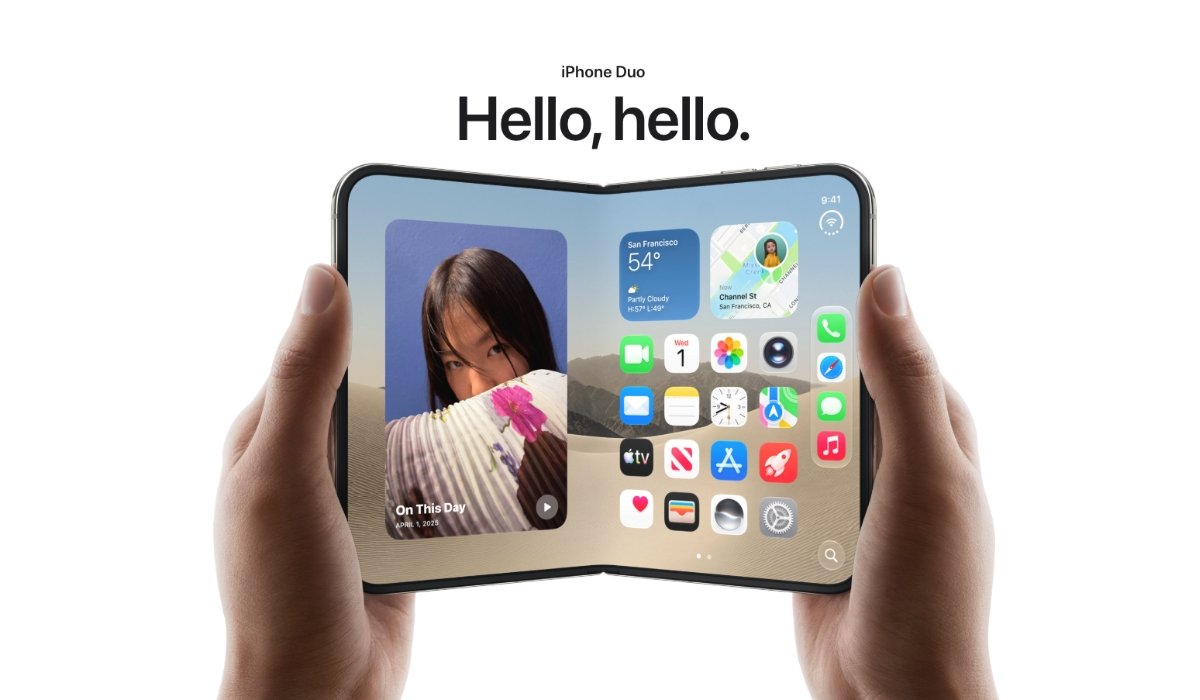
A device at $1,999 with limited supply does not cannibalise the market for a refurbished iPhone 16 at $500. It creates a new aspirational tier.
Over time it also creates a new secondary market category. Early adopters who buy the iPhone Duo at launch will eventually trade it in, and the first generation of these devices will enter the secondary market in 12 to 24 months as those buyers upgrade to generation two. Resellers who understand foldable grading and demand today will be best positioned for that pipeline.
What should resellers actually expect in the weeks ahead?
Trade-in volumes will increase. Buyers upgrading to the iPhone 18 Pro and iPhone Duo will hand in their iPhone 15, 16 and 17 devices. This is supply, not a problem. Well graded, recently traded devices in good condition entering the secondary market at scale is exactly the sourcing environment that allows resellers to build inventory at rational prices before stable demand resumes.
The temporary price softening that follows a major launch is the buying window, not the warning sign.
The resellers who have been in this market for a decade know it. The ones who panic are the ones who watch prices fall in October and forget that they stabilise by December.
The iPhone 17 series generated over $170 billion in first year revenue. A device with that level of consumer demand does not become worthless when the next model launches. It becomes available at a more accessible price point for a significantly larger pool of buyers.
That is the secondary market's moment. It comes every autumn, and it has been worth preparing for every single time.
Key takeaways
- Previous generation iPhones do not collapse at launch. They follow a documented three phase curve and stabilise within roughly three months.
- Retention at the two year mark is improving generation on generation: 43% for iPhone 14, 45.5% for iPhone 15, and tracking toward 47% for iPhone 16.
- The staggered 2026 schedule extends the iPhone 17's relevance window, since no base iPhone 18 arrives until spring 2027.
- The iPhone Duo at $1,999 opens a new tier rather than competing with refurbished stock, and becomes secondary market supply itself in 12 to 24 months.
- The post launch dip is a sourcing opportunity for resellers with the capital and the patience to use it.
Building inventory this cycle?
HK Refurbished Stock supplies A+++ renewed iPhones and Samsung Galaxy phones to wholesalers across Europe, the United States and Latin America, shipping from Hong Kong, the EU and Miami. Every device is factory unlocked, IMEI verified, and passes a 17-point inspection, with a 90 day warranty extendable to 180 days.